
Healthy Growth Guide for Children's Nutrition
Discover science-backed nutritional strategies to support your child's healthy development, energy levels, and overall wellbeing throughout every stage of growth.
The information on this site is for educational purposes only and does not constitute medical advice. Always consult a qualified healthcare professional before making health decisions.
Nutrient-Rich Foods Kids Love
Explore the most beneficial foods that support healthy growth, brain development, bone strength, and immune function in children.

Leafy Greens
Spinach, kale, and lettuce provide essential iron, calcium, and folate for bone development and cognitive function. These vegetables are foundational for optimal growth patterns.
Quality Proteins
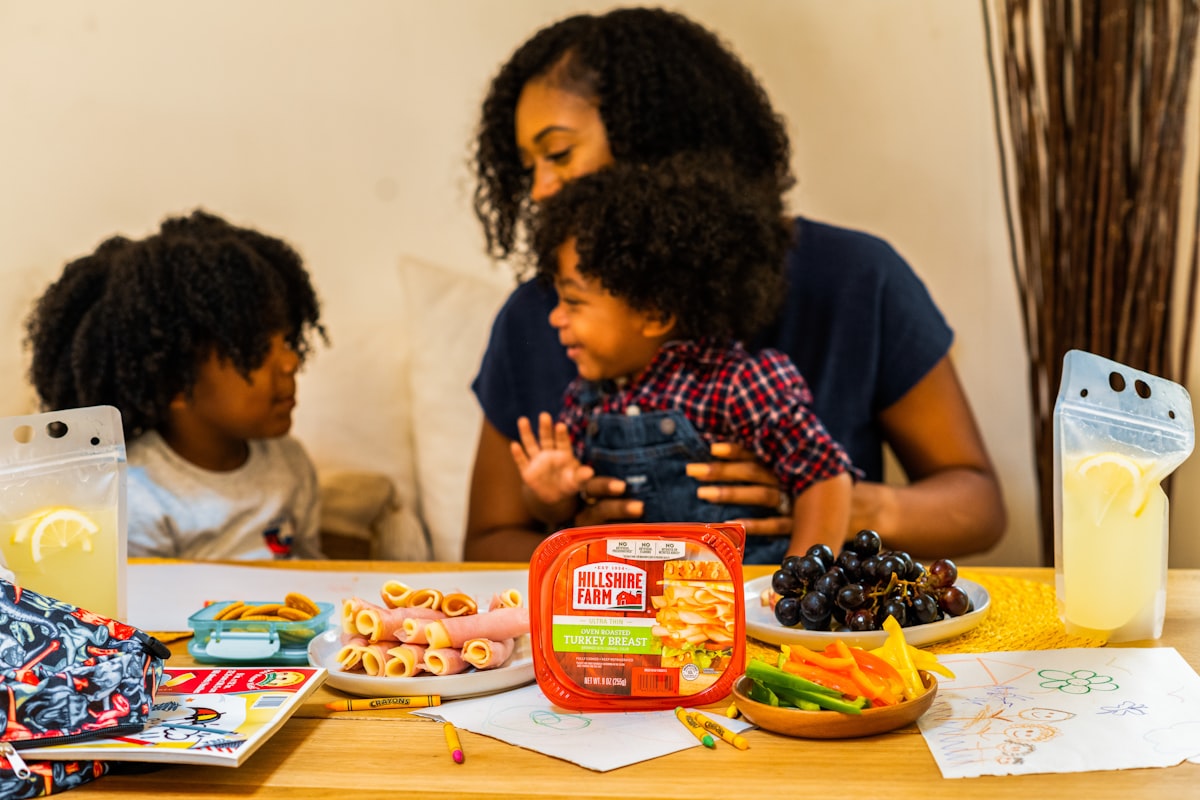
Chicken, fish, eggs, and legumes supply amino acids crucial for muscle development and tissue growth. Protein intake directly supports healthy physical development in children.
Whole Grains
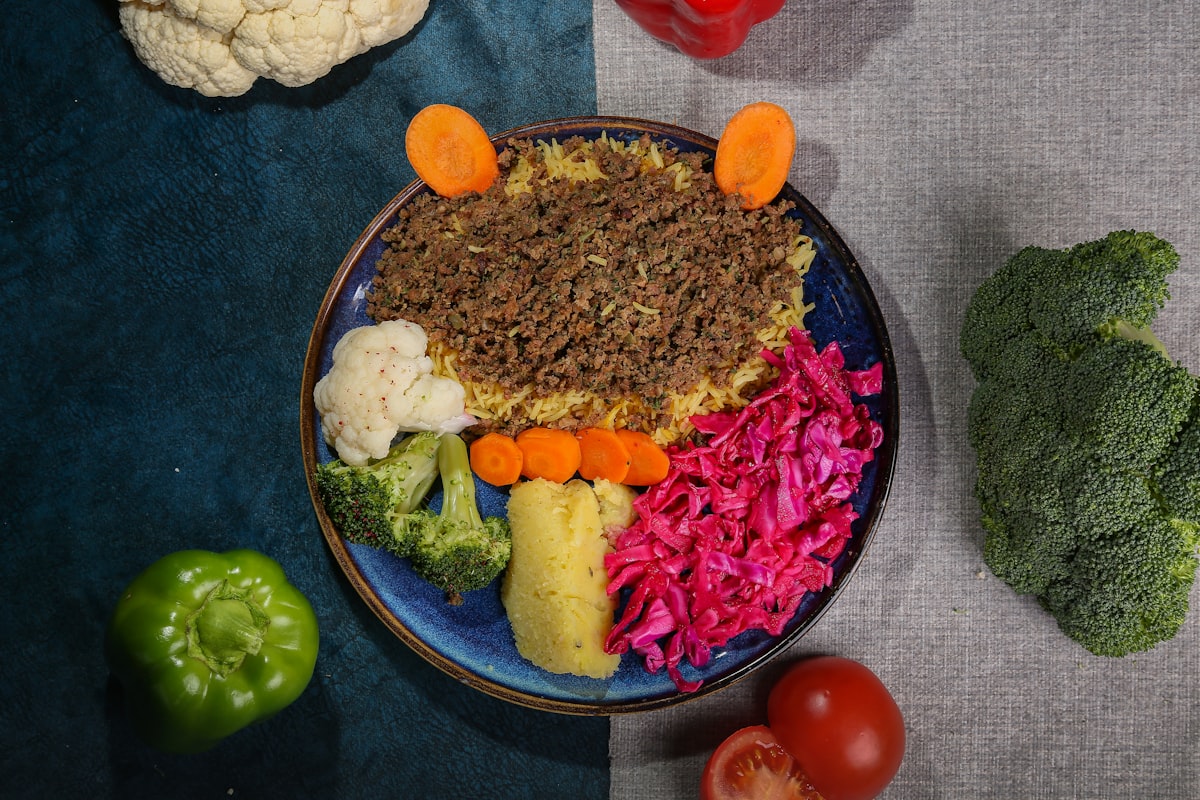
Oats, brown rice, and whole wheat bread deliver B vitamins and fibre for sustained energy and digestive health. These support concentration and academic performance.
Dairy & Alternatives
Milk, yoghurt, and cheese are rich in calcium and vitamin D essential for strong bone structure. These foods are critical during peak growth years.

Colourful Fruits
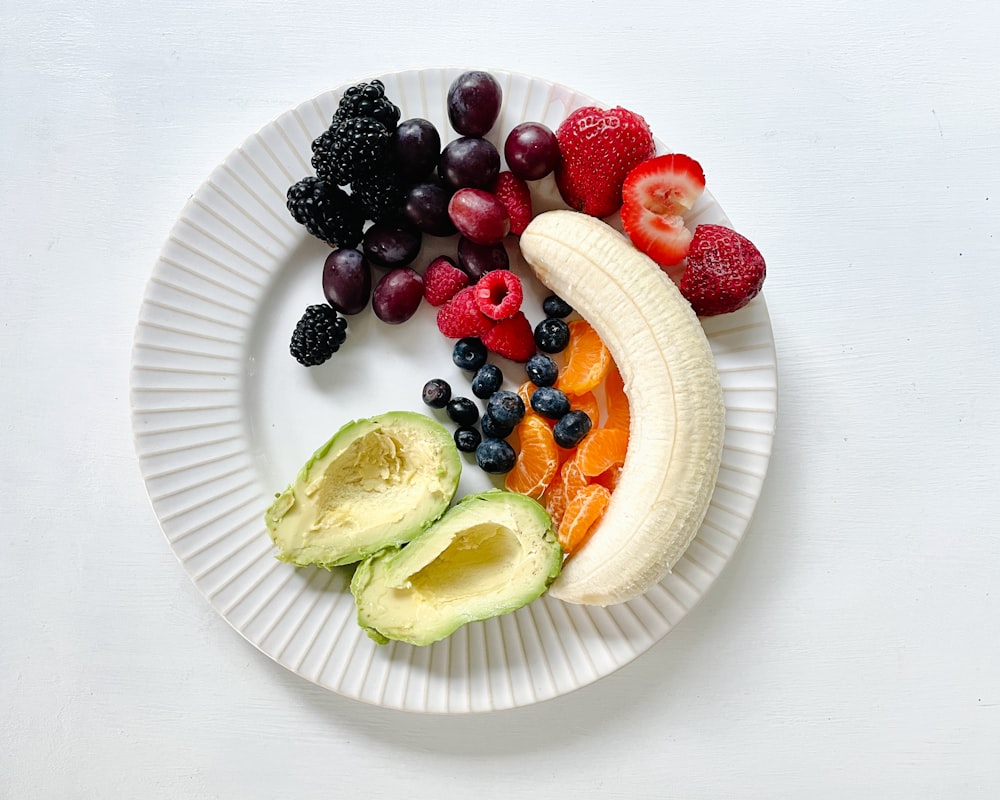
Berries, oranges, and bananas supply antioxidants and potassium for immune strength and heart health. Natural sugars support energy for active play and learning.

Healthy Fats
Avocados, nuts, and olive oil provide omega-3 and omega-6 fatty acids vital for brain development and neurological function throughout childhood.
How Nutrition Supports Growth & Development
Understanding the connection between nutrition and childhood development helps parents make informed choices.
Bone Development
Calcium and vitamin D create strong skeletal foundations, setting the stage for lifelong bone health and proper posture.
Brain Function
Omega-3 fatty acids, iron, and B vitamins support cognitive development, concentration, memory, and academic success.
Heart Health
Potassium, antioxidants, and balanced fats maintain cardiovascular function and establish healthy circulatory patterns early.
Immune Strength
Vitamin C, zinc, and antioxidants strengthen the immune system, helping children resist common infections and stay healthy.
5-Step Nutrition Planning Guide for Parents
A practical framework to organise your child's nutrition and support healthy growth at every stage.
Assess Current Eating Patterns
Track what your child currently eats over three to five days. Note favourite foods, portion sizes, and any dietary preferences. This baseline helps identify nutritional gaps and areas where improvements can be made gradually without overwhelming your family routine.
Set Age-Appropriate Goals
Define realistic nutrition objectives based on your child's age, activity level, and growth stage. Young children have different caloric and nutrient needs than teenagers. Involve your child in setting goals to increase engagement and compliance with healthier eating habits.
Plan Weekly Balanced Meals
Create a seven-day meal plan incorporating all food groups. Include proteins, whole grains, vegetables, fruits, and dairy at each meal. Planning ahead reduces impulsive food choices and ensures consistent nutritional intake that supports steady growth and development.
Build Healthy Eating Habits
Establish consistent meal times, encourage family dining, and model positive food choices. Teach children about nutrition through cooking together and garden projects. Habits formed in childhood tend to persist into adulthood, shaping lifelong wellbeing.
Monitor Progress & Adjust
Review eating patterns monthly and adjust based on your child's response and development. Track energy levels, growth markers, and overall health. Flexibility allows you to refine nutrition strategies as your child grows and their needs evolve.
Why Choose Nutritionflowessentials
Our editorial approach brings evidence-based nutrition information directly to families across the UK.
Evidence-Based Content
Our editorial team reviews current research and nutritional science to provide accurate, reliable information parents can trust for their family's wellbeing.
Parent-Focused Guidance
We write specifically for busy parents, translating complex nutrition science into practical, actionable advice families can implement at home.
Practical Recipes & Meal Plans
Browse tested recipes and meal planning strategies designed to appeal to children while meeting nutritional requirements for healthy growth.
UK-Based Resources
Our content reflects UK food availability, dietary guidelines, and family preferences, making recommendations directly relevant to our audience.
Growth Stage Coverage
We address nutrition needs from infancy through adolescence, acknowledging that nutritional requirements change dramatically as children develop.
Supportive Community
Connect with other parents, share experiences, and access our editorial team for questions about nutrition, meal planning, and healthy growth strategies.
Parent Success Stories
Real families sharing how Nutritionflowessentials content has helped them support healthier growth in their children.
"I was overwhelmed trying to figure out what to feed my two children to support their growth. The meal planning guides and age-appropriate nutrition information on Nutritionflowessentials transformed our family's approach to eating. My children now enjoy vegetables, and I feel confident they're getting what they need for healthy development. The recipes are actually things my kids will eat, which makes such a difference."
Sarah Mitchell
Manchester, UK
"My son was a picky eater, and I worried about his nutrition. Your growth tips and food preference guides helped me understand his development stage better and introduced foods gradually. He's now eating more variety, and his energy and focus at school have improved noticeably."
James Thompson
Edinburgh, UK
"As a single mum working full time, meal planning felt impossible. The quick weekday recipes and preparation tips save me hours. My children are eating better, I'm less stressed, and I actually feel equipped to support their healthy growth without overhauling our entire routine."
Rebecca Patel
Birmingham, UK
"We're vegetarian, and I needed guidance on protein and iron for my growing children. The tailored articles on plant-based nutrition have been invaluable. My children are thriving, their growth markers are excellent, and I feel confident about our family's dietary choices."
Emma & David Okafor
London, UK
Common Nutrition Questions
Answers to frequently asked questions about children's nutrition, growth, and healthy eating habits.
Daily calorie needs vary significantly by age, sex, and activity level. Toddlers (1-3 years) typically need 1,000-1,400 calories; preschoolers (4-5 years) need 1,200-1,800 calories; school-age children (6-8 years) need 1,400-2,000 calories; and children aged 9-13 need 1,800-2,600 calories depending on gender and activity. Rather than counting calories precisely, focus on providing balanced meals with appropriate portions. Consult growth charts and observe your child's energy and development for indicators of adequate nutrition.
A balanced children's meal includes portions from each food group: a protein source (meat, fish, eggs, beans, or dairy), whole grains or starchy vegetables for energy and fibre, colourful vegetables for vitamins and minerals, fruit for natural sugars and micronutrients, and a small amount of healthy fat. Use the plate method as a visual guide—aim for roughly half the plate to be vegetables and fruits, one quarter protein, and one quarter grains. Portion sizes should be age-appropriate; young children need smaller portions than teenagers.
Food preferences develop gradually, and it often takes 10-15 exposures to a new food before children accept it. Serve new foods alongside familiar favourites to reduce pressure. Involve children in cooking and shopping to build interest. Avoid forcing, praising, or bribing around food, as this can create negative associations. Model enjoying varied foods yourself—children learn by watching parents. Keep portions small and present new foods without expectation. Respect genuine dislikes while gently encouraging exploration over time. Most picky eating is a normal developmental phase that improves with patience and consistent exposure.
Yes, snacks are essential for children's nutrition and energy needs. Growing bodies have high energy demands and smaller stomach capacities, making 2-3 planned snacks daily necessary for most children. Choose nutrient-dense snacks like fresh fruit, yoghurt, cheese, nuts, whole grain crackers, or homemade smoothies rather than highly processed options. Limit sugary drinks and confectionery snacks. Planned snack times prevent excessive hunger at mealtimes and help stabilise energy and mood throughout the day. Establish consistent snack timing to support structured eating patterns.
Signs of potential nutritional gaps include persistent fatigue despite adequate sleep, frequent infections, delayed growth, poor concentration, brittle nails or hair, or slow wound healing. Extremely limited food intake, restrictive eating patterns, or consistently skipped meal groups may also indicate nutritional concerns. If you notice these signs, review your child's typical eating patterns and compare against nutritional guidelines for their age. Consider dietary diversity and serving sizes. If concerns persist, document observations and discuss with your family healthcare provider, who can assess your individual child's needs and recommend personalised guidance.
Pack lunches that include a protein source, whole grains, vegetables or fruit, dairy, and healthy fats. Examples include sandwiches with lean meat and salad, pasta with vegetables, wraps with beans, or rice boxes with chicken and greens. Include hydration with water or milk rather than sugary drinks. Involve your child in lunch planning to increase likelihood they'll eat it. Rotate foods to maintain variety and prevent boredom. Use insulated lunch boxes with ice packs to maintain food safety. Label everything, particularly for school policies. Most importantly, make packed lunches something your child enjoys eating—a nutritious lunch uneaten provides no benefit.
Start Your Child's Healthy Growth Journey Today
Explore our comprehensive guides, practical recipes, meal planning strategies, and expert articles designed to support every stage of your child's nutritional development.
Contact our editorial team at [email protected] with content questions or feedback.